
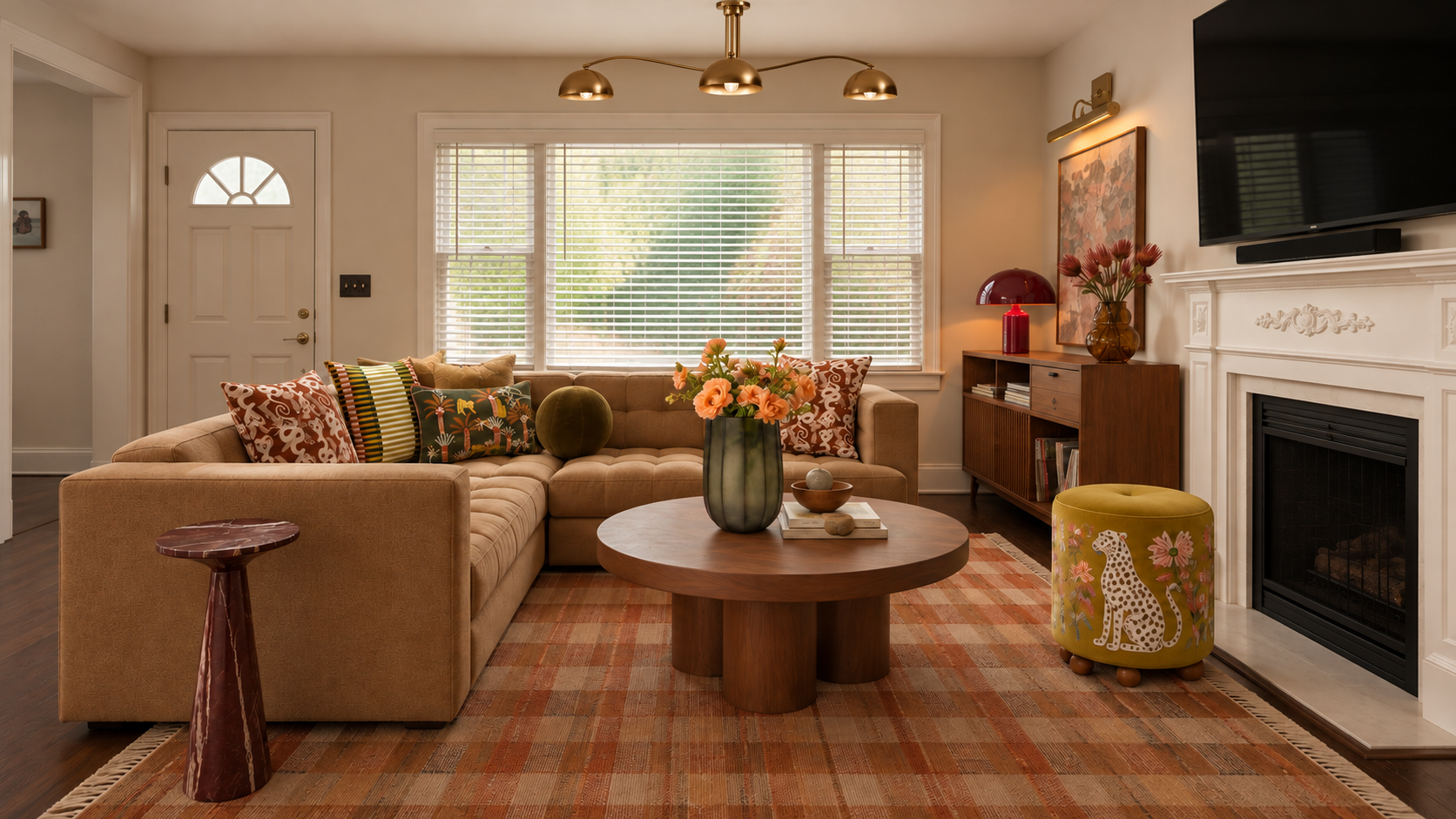
A European eclectic living room comes together through a consistent palette, varied textures, and a mix of sculptural and familiar pieces. For Stephanie, that meant building around her existing warm-toned sectional while adding muted greens, restrained burgundy accents, and furniture with character. Her family used the room for television, lounging, and occasional entertaining, but a long blank wall and unfinished furnishings left it feeling unresolved. Through Seeded’s idea boards, collaborative concepts, and 3D previews, designer Dayana developed a layered plan that balanced Stephanie’s collected aesthetic with everyday practicality. The completed design gave the room a clear direction, from its patterned rug options to ceiling lighting reconsidered for an eight-foot ceiling.
What was the starting point for this living room?
The room needed a cohesive design around furniture Stephanie already liked.
The before photos show a generous sectional beside a broad window, dark wood flooring, a glass coffee table, and a white fireplace with the television above it. An existing artwork and picture light added personality. Across from the windows, a long blank wall extended toward the nursery, leaving Stephanie unsure how to finish the room.
Her priorities were specific: a rug, ceiling light, coffee table, and side table. She preferred fewer substantial purchases to a room filled quickly with compromises.
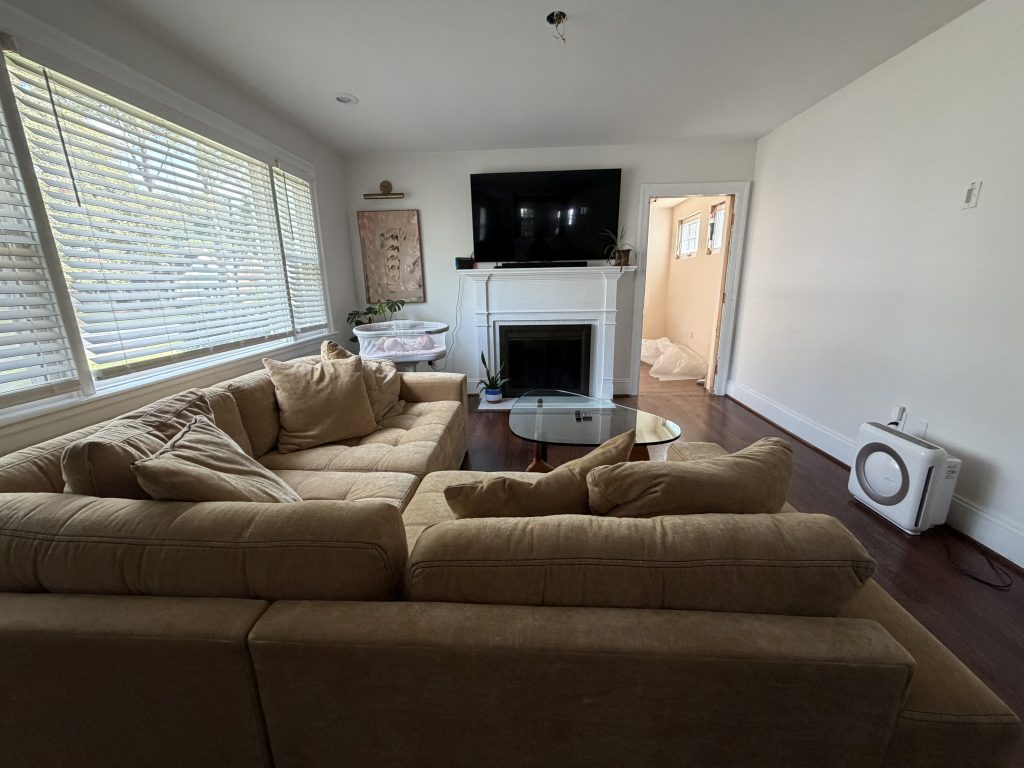
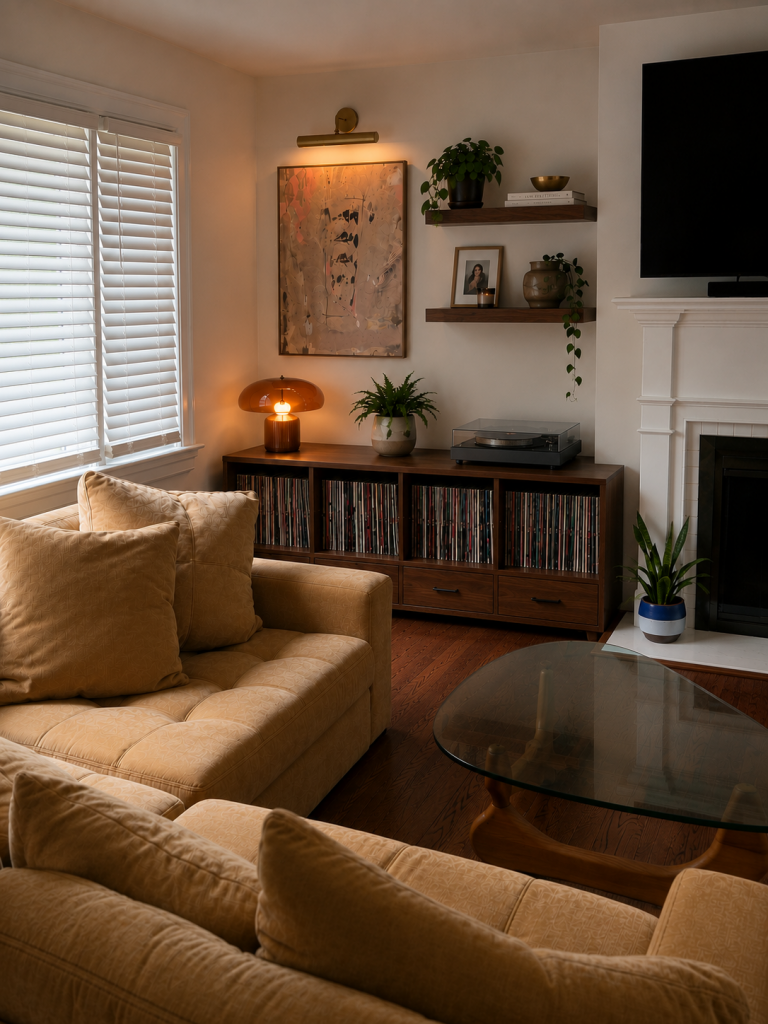
The room already had light, comfortable seating, and meaningful artwork. The missing element was a plan connecting them.
How do you choose between organic modern and European eclectic?
Compare the atmosphere of each style, then identify which qualities you want to live with every day. Idea boards make those differences easier to discuss.
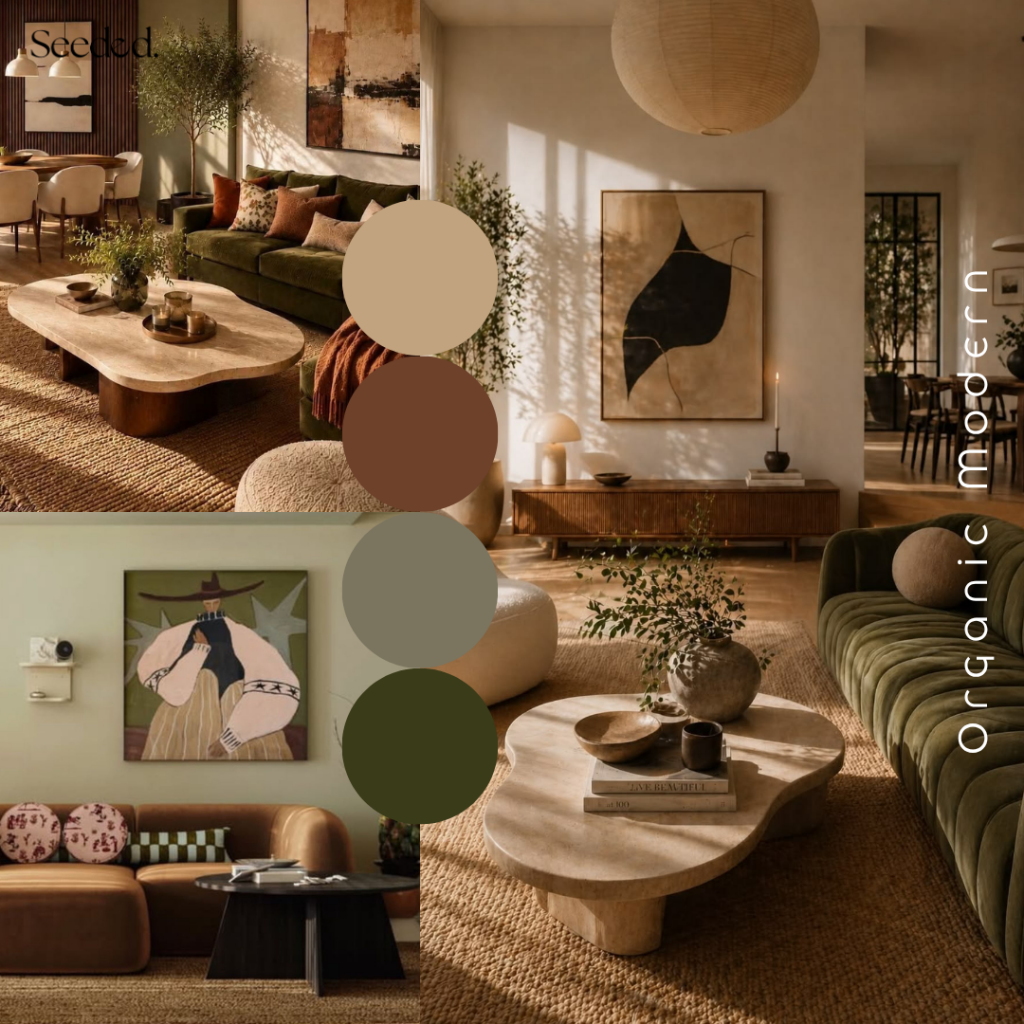
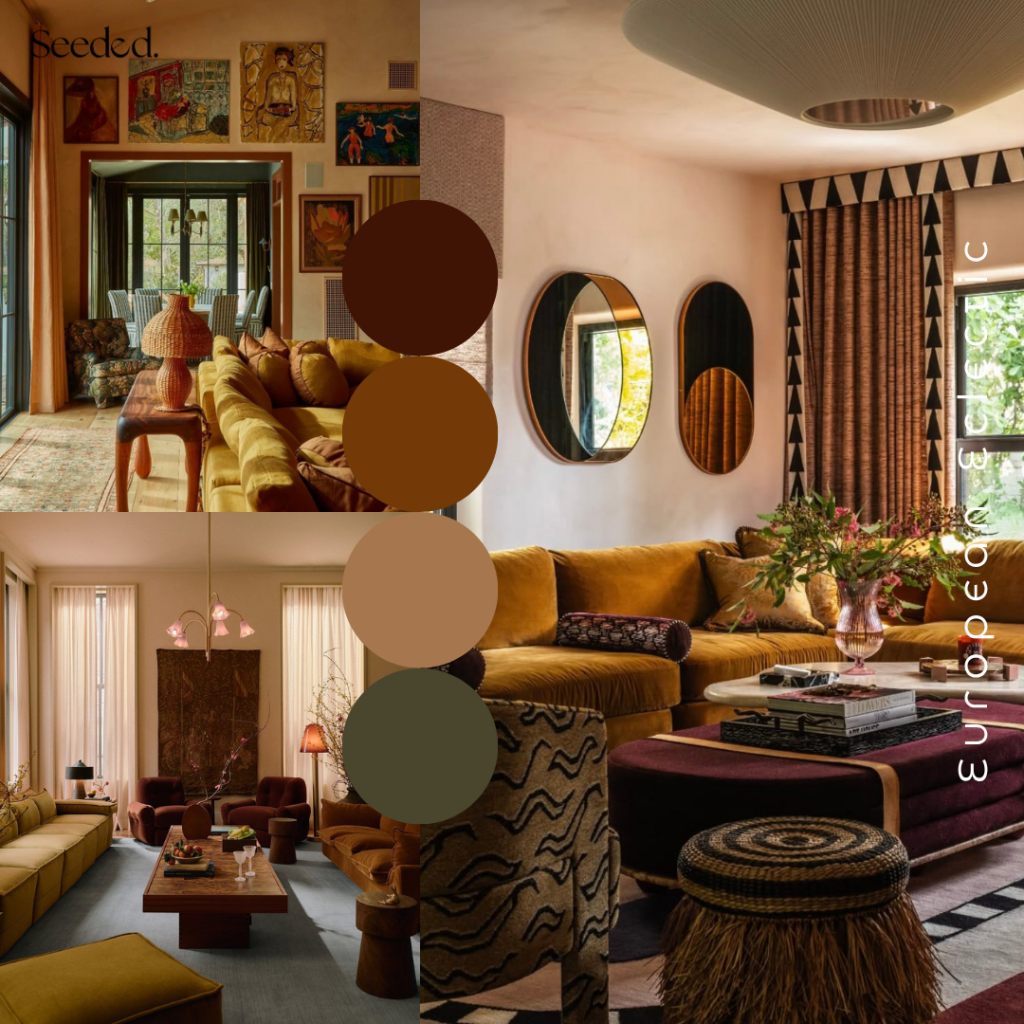
Stephanie’s initial boards explored Organic Modern and European Eclectic. Organic Modern offered quieter neutrals, natural materials, and softer forms. European Eclectic introduced richer color, expressive patterns, and the interplay of vintage-inspired and contemporary pieces.
Initially, Stephanie leaned toward the calmer option, partly because it related to the nearby dining area. But she was drawn to the other board’s distinctive art and unexpected objects. After discussing the choices at home, she selected the European direction.
What colors balance a warm-toned sofa?
Muted greens can introduce a cooler counterpoint, while small burgundy accents add depth without requiring another large block of warm color.
Stephanie wanted olive, sage, moss, and dusty blue-green, with enough warmth to feel inviting but little additional yellow or beige. Her existing sectional made that distinction important: every new textile would be seen beside its golden upholstery.
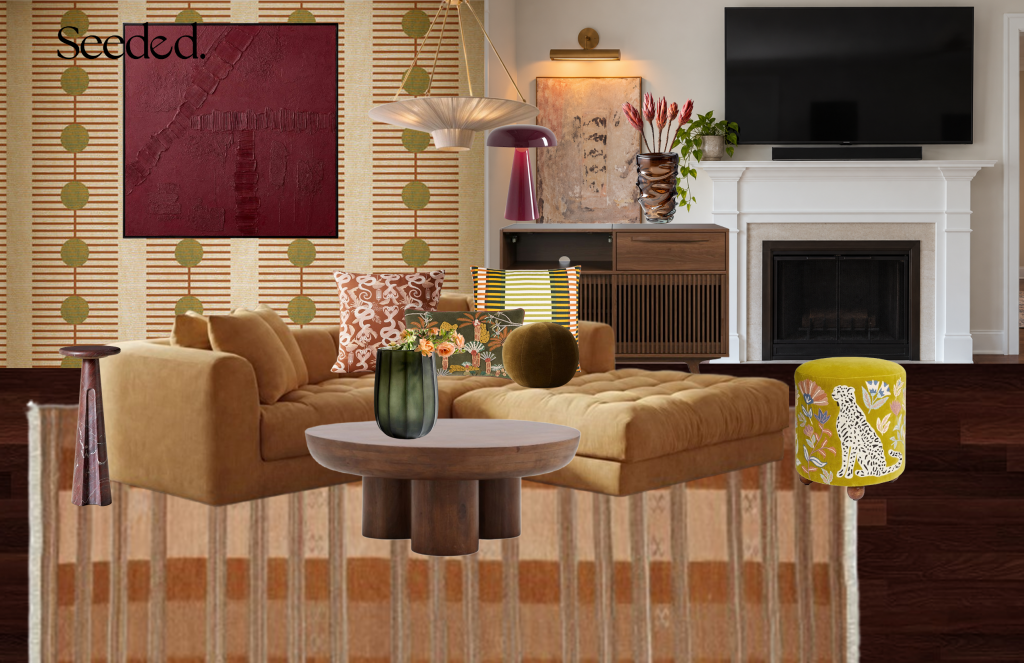
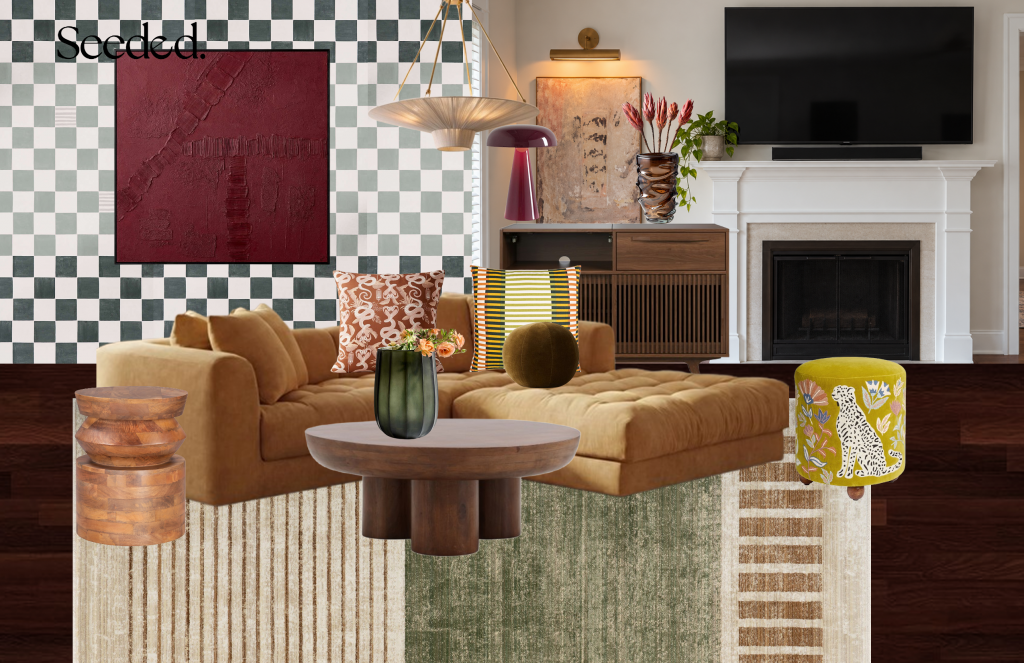
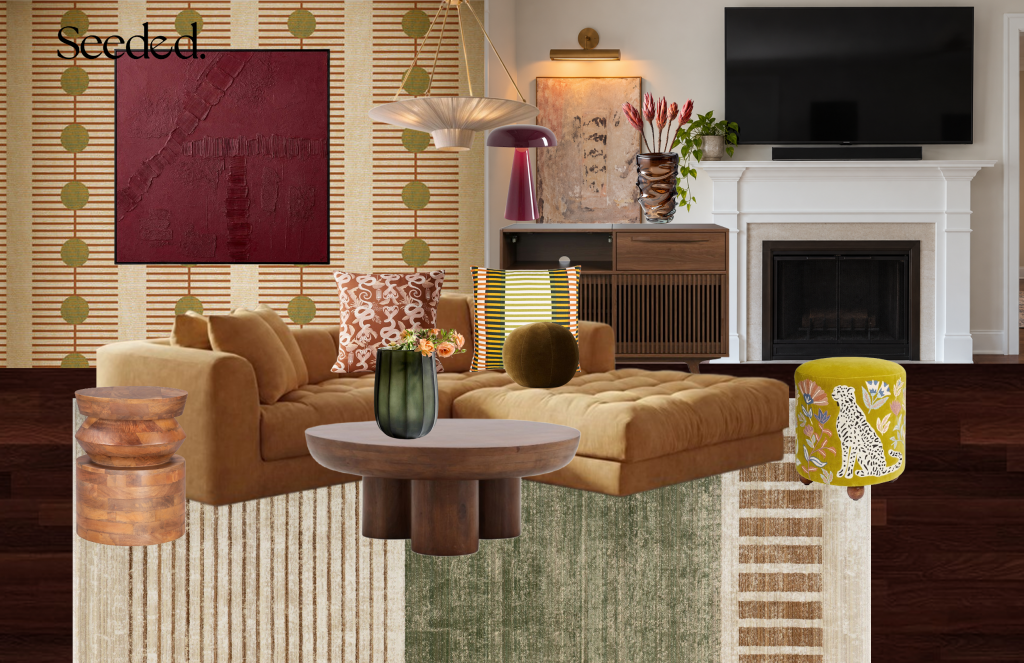
The concepts explored that balance through rugs, cushions, glass accessories, and accent finishes. Dayana identified a green-containing rug variation as a favorite because it balanced the oranges elsewhere in the scheme. Stephanie also requested restrained oxblood notes, imagining a pillow, book, or small decorative piece rather than a burgundy room.
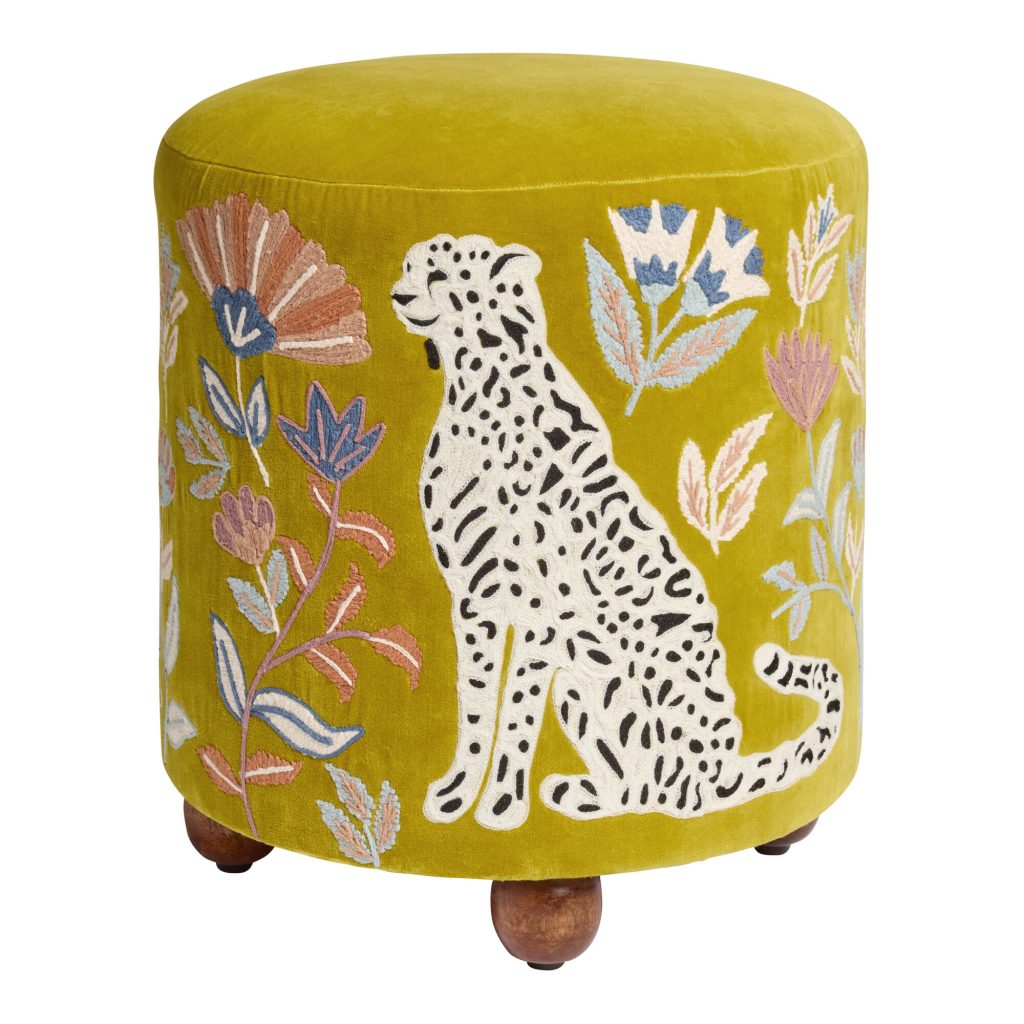
The tiger-motif pillow became a particularly personal touch. Stephanie liked its whimsy and the way it brought the composition together. It gave the palette a playful focal point without making every accessory match.
How can a living room feel collected rather than coordinated?
Repeat a few colors and finishes while varying shape, texture, and visual weight. That gives different pieces a relationship without making them look like a set.
Stephanie’s brief favored walnut, natural stone, tactile fabrics, aged brass, and artful objects. The concepts translated those preferences into rounded tables, patterned textiles, colored glass, and warm lighting finishes. Pieces from Article, CB2, Crate & Barrel, and other retailers appeared together in the shopping list.
The existing artwork also influenced the composition. Stephanie was open to moving the art if another piece worked better, but the picture light needed to stay.
How do you make sculptural furniture work for family life?
Evaluate a table’s stability, surface, and relationship to surrounding seating alongside its shape. Visual appeal is only part of the decision.
Stephanie wanted a chunky, sculptural coffee table that felt appropriate for a household with children. She also questioned how a wood finish might show scratches. Those concerns belonged in the selection process, even when a piece looked right in a concept.
A red marble side table prompted another revision. Stephanie had read reviews raising concerns about its stability on a rug. Dayana responded by introducing a sturdier alternative. This was a concrete example of homeowner feedback changing the design, rather than simply selecting a preferred color.
Rounded silhouettes can soften the room visually, but they do not establish that a product is child-safe. Weight, stability, finish care, and placement still deserve attention before purchase.
What should you do with a long blank living room wall?
Give the wall a deliberate role in the overall composition, then compare treatments against the room’s other patterns.
Dayana proposed removable wallpaper for the wall opposite the windows. Her reasoning was specific: it was the room’s largest wall and marked the transition into the hallway, giving an accent treatment a clear place to belong.
Stephanie was interested but cautious. She wanted the room to stay European eclectic and worried that the proposed pattern might pull it too far toward midcentury modern. She also wanted wallpaper to feel purposeful, rather than decorative for its own sake.
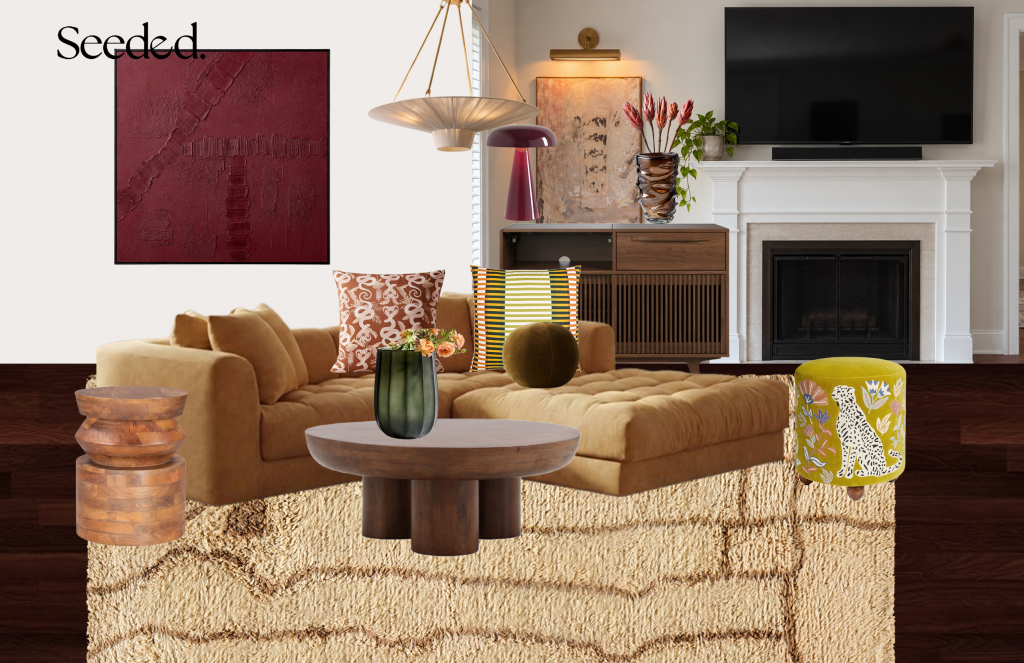
Dayana developed variations with different rug and wallpaper pairings, including a version without wallpaper.
What ceiling lighting works in an eight-foot living room?
Look at a fixture’s installed drop as carefully as its width. A broad design can make a statement while sitting relatively close to the ceiling.
Stephanie loved the original pendant direction but felt it hung too low for the room. It did not block the television, yet its position still felt uncomfortable in the space. That distinction matters: a fixture can clear a sightline and remain visually too intrusive.
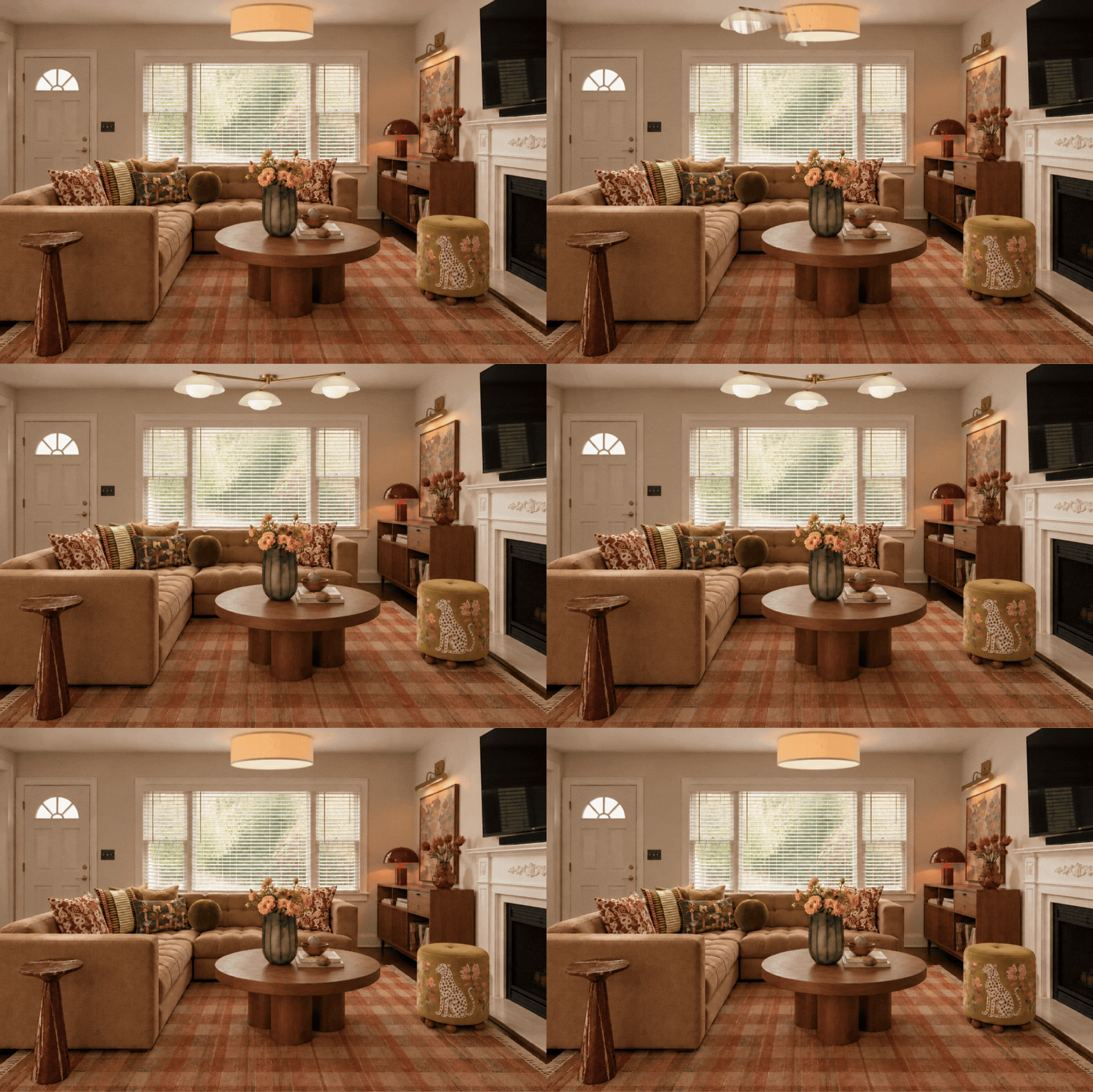
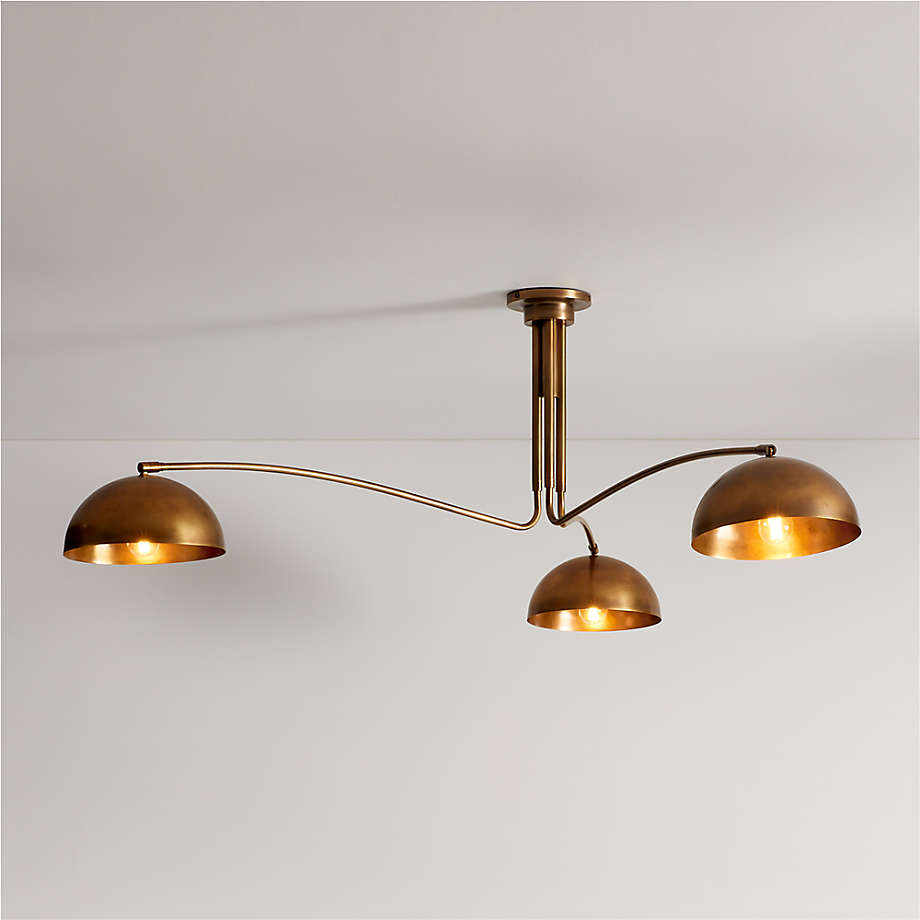
The completed design presentation introduced options closer to the ceiling. Dayana highlighted the Olia brass semi-flush mount for its connection to the room’s brass accents and the Boum raw silk drum flush mount for softness and texture.
How did online interior design bring the room together?
The process moved from broad style choices to specific products, then to room views that made the selections easier to evaluate together.
The idea boards established direction. Concept boards tested the relationship between rugs, tables, lighting, and wall treatments. The shopping list supplied featured selections and alternatives, while 3D previews placed the proposed pieces in the room’s architectural context.
Stephanie’s feedback shaped each stage. She questioned excessive warmth, requested deeper accent colors, raised a stability concern, and reconsidered the pendant’s height. The designer translated those observations into revisions.
Seeded’s AI-assisted platform supports this personalized process, while a human designer interprets the brief and develops the room. Its flat-rate design model and cross-retailer sourcing provide a framework for the work; the useful outcome here was a specific, shoppable plan around the family’s existing space.
What changed in the design?
- The existing sectional gained a coordinated palette of textiles and accents.
- Rug options introduced pattern and helped define the seating area.
- Sculptural table selections were reconsidered for everyday use.
- The blank wall received purposeful treatment options.
- Ceiling lighting was revised to address the room’s height.
- Product alternatives made the design easier to implement in stages.
Why does this European eclectic living room work?
The design connects expressive details through a restrained palette and a clear hierarchy. The sectional remains the largest visual anchor; smaller pieces introduce contrast and character.
Pattern provides movement, rounded forms vary the silhouettes, and brass relates new lighting to existing details. Just as importantly, the revisions reflect how Stephanie’s family actually uses the space.
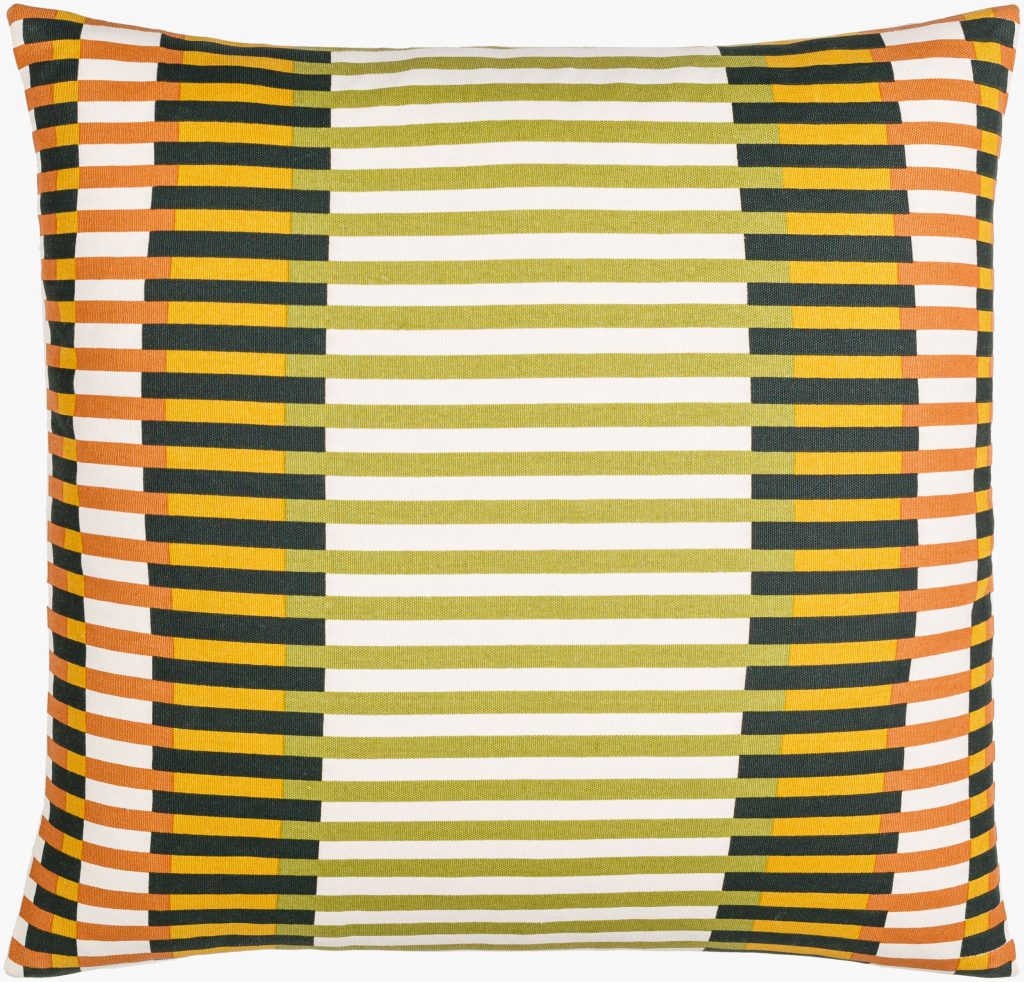
Shop The Look
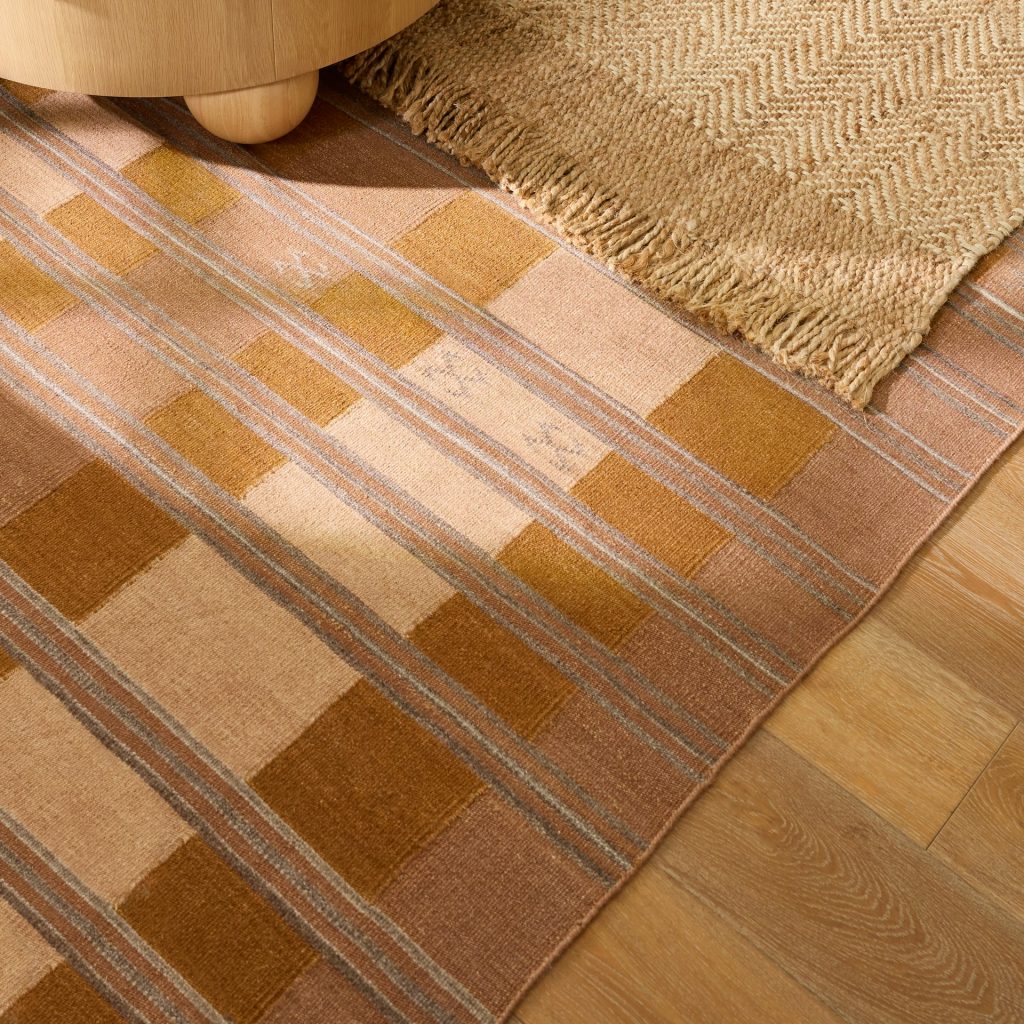
Four pieces from Stephanie’s design that bring together rich texture, sculptural shapes, and earthy color for a living room that feels collected, comfortable, and full of character.
Nine ideas to borrow
- Start with the furniture you intend to keep.
- Assess new colors beside your largest upholstered piece.
- Use small accents to explore a deeper color.
- Mix silhouettes while repeating a few finishes.
- Compare the rug and wall treatment together.
- Check table stability on its intended surface.
- Measure a ceiling fixture’s full installed drop.
- Use room visualizations to compare alternatives.
- Prioritize meaningful pieces and allow the room to develop gradually.
Frequently asked questions
What is European eclectic interior design?
It combines traditional or vintage-inspired character with contemporary pieces, varied textures, expressive art, and a cohesive palette. The aim is a personal, layered room.
Can I keep my sofa when redesigning my living room?
Yes. Stephanie’s existing sectional established the starting point. New textiles, tables, and lighting were considered in relation to it.
How do I keep a warm sofa from making everything look yellow?
Compare muted greens and cooler accents beside the upholstery. Avoid choosing additional warm neutrals without checking how they interact in your room’s light.
How can eclectic decor feel calm?
Limit the main palette and repeat selected materials. Vary texture and form while allowing some surfaces to remain visually quiet.
Is wallpaper necessary for a collected living room?
No. Stephanie’s concepts included versions with and without it. Art, furniture, textiles, and lighting can supply character without another large pattern.
What should I check before buying a living room light?
Check ceiling height, installed drop, fixture width, and its position relative to seating and circulation. Confirm installation requirements with the manufacturer.
Can AI help me redesign my living room?
AI-assisted tools can support visualization and exploration. In this project, a professional designer guided selections and revisions using the homeowner’s feedback.
How much should I budget for a similar refresh?
Scope and retained furniture matter. Stephanie prioritized a few statement pieces, ideally under $1,000 each. That was her purchasing preference, not a confirmed total project cost or design fee.
Do I have to purchase everything at once?
A complete plan can guide purchases in stages. Recheck dimensions, availability, and finishes when ordering, particularly if you substitute a product.
A room can feel complete in its direction while still leaving space for the pieces life brings next. If your living room already holds furniture you love, the next step may be a thoughtful plan for what belongs around it. Reserve Your Design.